🧰 Handyman vs. Licensed Plumber: Who Should You Call?
May 28, 2025
Austin Water Heater Maintenance: Extend the Life of Your Tankless or Tank-Style Heater
October 8, 2025
Top Signs You Need a Professional Plumber in Austin, TX
Austin homeowners take pride in maintaining their homes, but plumbing issues often start small and quickly spiral into costly repairs if ignored. Whether you live in a historic bungalow near Hyde Park or a modern condo downtown, understanding when to call a professional plumber can save you time, money, and headaches. Below are the most common warning signs that it’s time to bring in a licensed plumber instead of waiting for the problem to get worse.
Persistent Dripping Faucets & Fixtures
A faucet that won’t stop dripping isn’t just annoying—it wastes gallons of water every week and is often a symptom of deeper problems. In Austin, our hard water can cause mineral deposits to build up on seals and washers, wearing them out faster than you might expect. If you’ve tried tightening handles and replacing washers to no avail, it’s likely a sign that cartridges or seat valves need professional attention. Left unchecked, the constant moisture can lead to corrosion and further leaks around sinks and showers.
Slow or Gurgling Drains & Backups
If your sink or tub takes too long to drain, or you hear gurgling noises from your pipes, there could be a serious blockage forming. Common culprits are grease, food scraps, hair, and soap scum, but in the Austin area tree roots love to infiltrate sewer lines in older neighborhoods. DIY drain cleaners may provide temporary relief, but they often damage pipes and rarely address the root of the problem. A professional plumber can use hydro jetting or camera inspection to clear clogs safely and prevent sewage backups.
Low Water Pressure & Inconsistent Temperature
Are your showers going from a trickle to a blast, or hot to cold without warning? Sediment buildup in water heaters, scaling in pipes, failing pressure-regulating valves, or a hidden leak can all cause low or fluctuating water pressure. Given Austin’s limestone-rich water supply, mineral deposits often narrow the inside of pipes over time. A licensed plumber will test your system, flush your heater, or replace old piping to restore steady pressure and temperature.
Unexpected Water Stains or Damp Spots
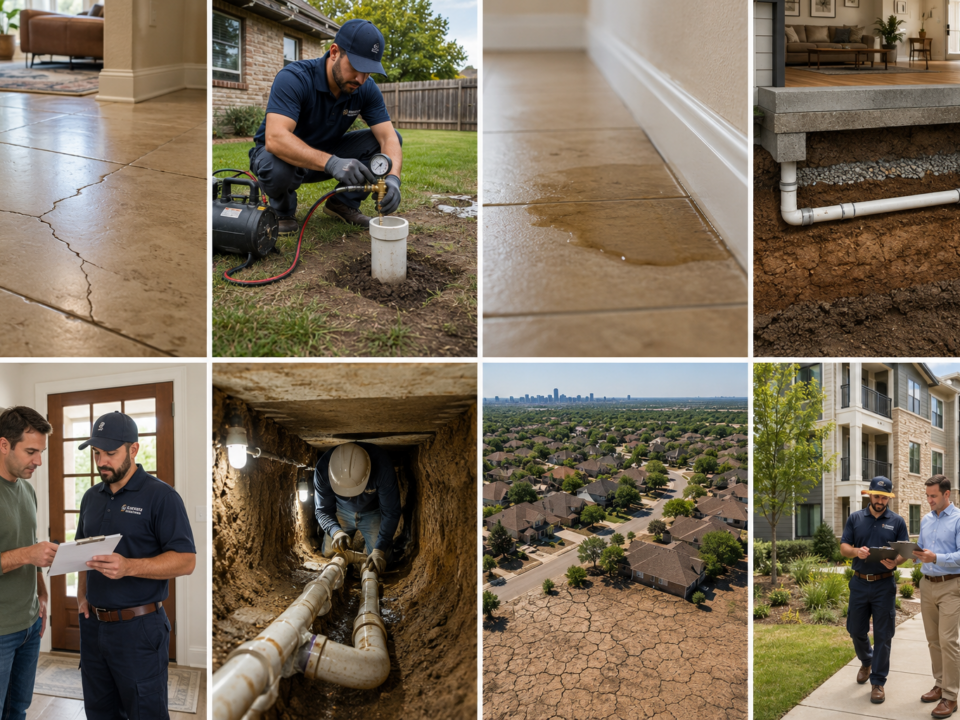
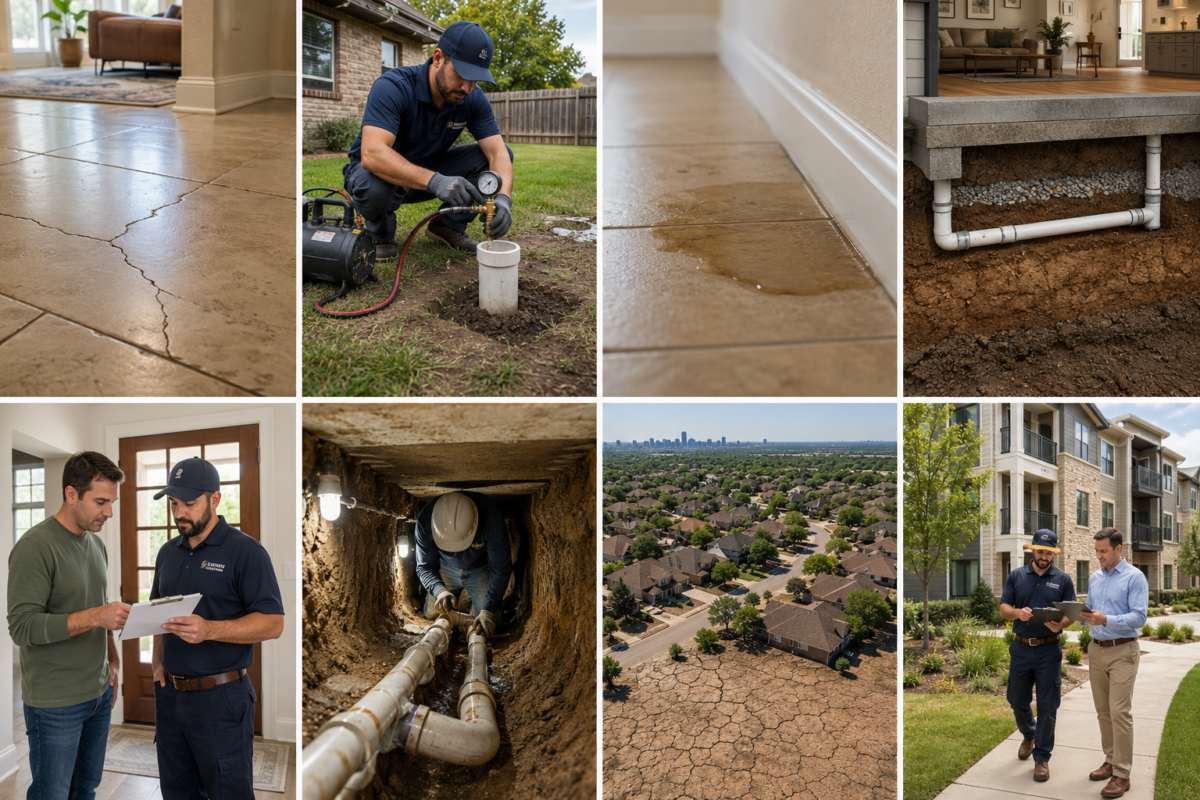
Water stains on ceilings, walls, or floors are red flags that shouldn’t be ignored. Hidden leaks in supply lines or drain pipes can cause damage long before you see pooling water. In slab-on-grade homes common throughout Central Texas, leaks beneath the foundation (known as slab leaks) can undermine the structure and invite mold. If you notice discoloration, bubbling paint, or warm spots on your floor, call a professional right away for leak detection and repairs.
Unusual Noises & Odors from Plumbing
Banging, whistling, or knocking sounds—often called “water hammer”—occur when high-pressure water hits closed valves or loose pipes. Gurgling sounds may signal a venting problem in your drain system. Likewise, if you smell foul odors coming from drains, it could be sewer gas entering your home due to a dry trap or broken vent pipe. These noises and smells are more than nuisances; they point to issues that require a plumber’s diagnostic skills.
Rusty Water & Corroded Pipes
Reddish or brownish water from your taps usually means your pipes or water heater are corroding. Galvanized steel piping, common in older Austin homes, deteriorates over decades and can shed rust flakes into your drinking water. Rusty pipes not only affect water quality but also weaken structural integrity, increasing the risk of leaks or bursts. A plumber can evaluate whether a water heater flush or complete repipe is necessary.
Sewer Gas Smells Indoors
If your home suddenly smells like rotten eggs or sewage, something is wrong. Sewer gas can leak into your house when P-traps dry out, vent pipes crack, or there is a blockage in the sewer line. Exposure to these gases is harmful and should not be ignored. A qualified plumber will locate and repair the source, ensuring your plumbing vent system is sealed and functioning correctly.
Mold or Mildew Around Plumbing Fixtures
Mold and mildew thrive in damp environments. If you notice mold growth around a sink base, behind a toilet, or under cabinets, it could indicate a slow leak. These leaks not only waste water and raise your bill but also create unhealthy living conditions. Professional plumbers use moisture meters and thermal imaging to find concealed leaks, fix them, and help prevent mold recurrence.
Sudden Increase in Water Bills
Have you noticed an unexplained spike in your monthly water bill? Even small leaks or running toilets can waste hundreds of gallons of water, causing utility costs to soar. If you can’t identify an obvious cause—like irrigation or new appliances—an undetected leak may be to blame. A plumber can pressure test your system to find leaks behind walls, in irrigation lines, or under slabs.
Ignoring these warning signs can lead to costly repairs, water damage, and health hazards. Flint Plumbing’s licensed professionals serve homeowners throughout the Austin area with prompt, honest diagnostics and long-lasting repairs. We carry Master Plumber license M-42279 and stand behind our work with a satisfaction guarantee.
Call to Schedule Your Service Today
If you’re experiencing any of the issues above, don’t wait until a minor nuisance turns into a plumbing emergency. Call Flint Plumbing at (512) 971-2445 or book your appointment online. Our Austin-based plumbers are on standby to diagnose your problem and get your plumbing back on track.
FAQs
What counts as a plumbing emergency?
A plumbing emergency includes situations where water or sewage is actively leaking, flooding, or posing a risk to your property and safety. Examples include burst pipes, overflowing toilets, sewer backups, and major leaks. These issues should be addressed immediately by a licensed plumber.
Can I use chemical drain cleaners to fix slow drains?
Commercial drain cleaners often contain harsh chemicals that can corrode pipes and damage fixtures. They usually offer only temporary relief and can worsen clogs over time. Mechanical cleaning methods like augering or hydro jetting performed by a professional plumber are safer and more effective.
How do I know if low water pressure is caused by my city’s supply or my plumbing?
If all your neighbors are experiencing low pressure, it may be a municipal supply issue. But if only certain fixtures or areas of your home have low pressure, the problem likely lies within your system—such as buildup in pipes or a faulty pressure regulator. A plumber can test and pinpoint the cause.
When should I replace aging pipes?
Galvanized steel pipes typically last 40–50 years, while copper and PEX can last longer if installed correctly. Signs of aging include frequent leaks, rusty water, and visible corrosion. A plumber can inspect your system and recommend replacement if your pipes are near the end of their service life.
Why are slab leaks so serious?
Slab leaks occur under the concrete foundation, making them hard to detect until they cause major damage. They can erode soil, crack your slab, invite mold, and waste thousands of gallons of water. Professional leak detection and repair are essential to mitigate these risks.